

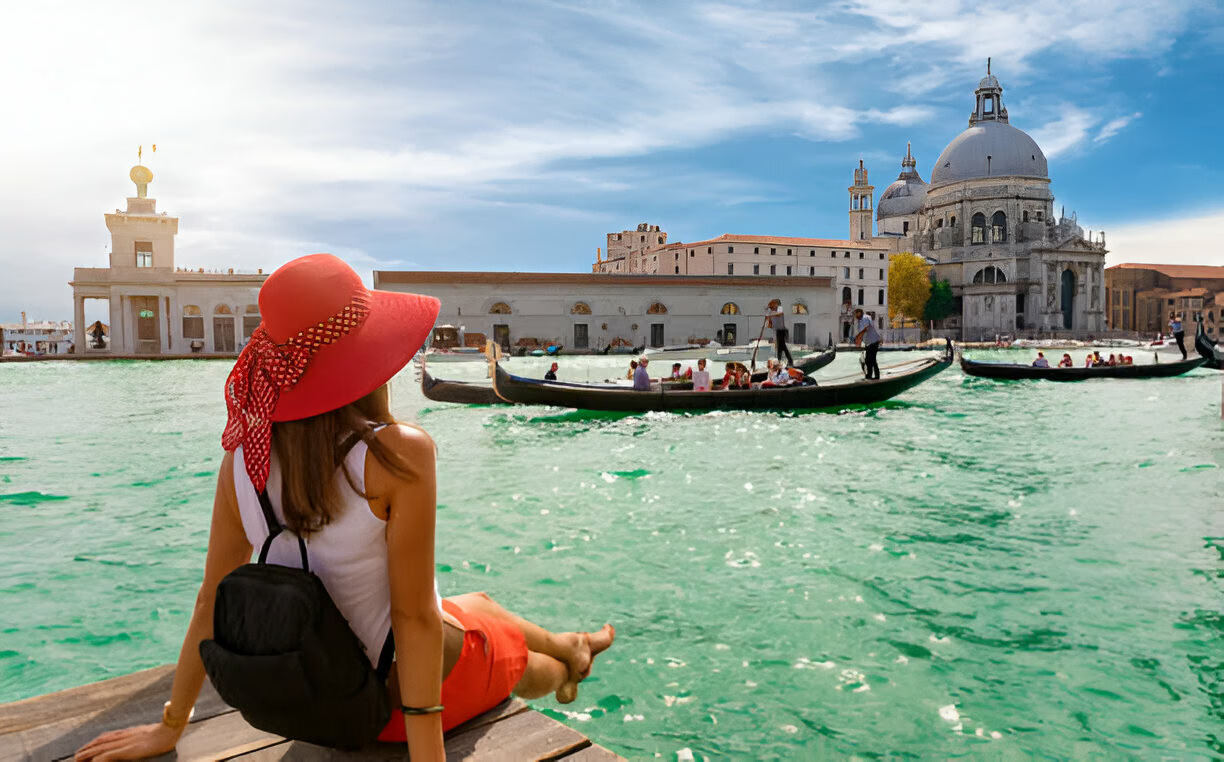
Europe is one of the most dream-worthy travel destinations in the world. From romantic cobbled streets to breathtaking mountains, stunning beaches, ancient architecture, delicious food, and world-class museums—Europe offers something for every type of traveler. But many first-time travelers assume Europe is expensive and out of reach. The truth? With the right planning, timing, and smart travel choices, exploring Europe on a budget is not only possible—it can be an unforgettable experience.
This complete guide for first-time travelers will help you plan a delightful and affordable trip to Europe without compromising on comfort or experience. Whether you’re a student, a solo traveler, a couple, or a group of friends, these tips will help you save money and still enjoy every moment of your European adventure.
Why Travel to Europe on a Budget?
Europe is famous for its rich culture and diverse countries that are easily accessible through trains, buses, and budget flights. Budget-friendly travel has become easier thanks to:
- Cheap flights between European cities
- Affordable public transportation
- Budget hostels and Airbnbs
- Low-cost restaurants and street food options
- Free walking tours and free entry museums
- Highly competitive tourism prices
Budget travelers now have more choices than ever before.
1. Choosing Your Destinations Wisely
Not all European countries cost the same to travel. Some destinations are very expensive, while others are incredibly budget-friendly.
Affordable European Countries for Budget Travel
- Portugal
- Spain (except Barcelona)
- Greece
- Croatia
- Hungary
- Czech Republic
- Poland
- Slovakia
- Slovenia
- Romania
- Bulgaria
Expensive Countries You Should Plan Smartly
- Switzerland
- Norway
- Denmark
- Finland
- France (Paris especially)
- Netherlands
You can save a lot of money by mixing both budget and mid-range destinations.
2. Best Time to Travel Europe on a Budget
Your travel costs can vary significantly depending on the season.
Cheapest Time to Visit Europe
- October to April (except Christmas/New Year weeks)
Best Value Season
- April to June
- September to early October
Expensive Times to Avoid
- Christmas
- July and August (peak summer)
- Easter week
Traveling in the shoulder seasons gives you good weather, fewer crowds, and lower prices.
3. Flight Booking Tips for Europe
Flights take up a large portion of your budget, especially if you’re coming from Asia or the Middle East.
How to Find Cheap Flights
- Use search engines like Skyscanner, Kayak, Google Flights
- Look for flights to a central hub like Paris, Rome, Frankfurt, Madrid
- Be flexible with dates
- Consider flying midweek
- Compare nearby airports
- Book 2–3 months in advance
Cheap Airlines in Europe
- Ryanair
- EasyJet
- Wizz Air
- Vueling
- Norwegian
These airlines offer flights as low as €10–€40 between European countries.
4. Affordable Accommodation Options
Accommodation doesn’t need to be expensive if you choose wisely.
Budget-Friendly Options
- Hostels – Great for solo travelers
- Airbnb rooms – Cheaper than hotels
- Budget Hotels – Check Booking.com
- Capsule hotels – In select countries
- Guesthouses and B&Bs
Saving Tips
- Stay outside the city center
- Book early during the summer
- Choose shared rooms in hostels
- Look for free breakfast options
Europe has thousands of safe and clean hostels starting from €10–€20 per night.
5. Transportation Tips (Save Big!)
Europe is famous for its excellent transport network.
Cheap Ways to Travel Between Countries
- FlixBus – Extremely cheap
- BlaBlaCar – Carpooling service
- Ryanair/EasyJet – Budget flights
- Eurail Pass – Useful for long routes
Within City Transportation
- Bus
- Tram
- Metro
- Bicycle rent
- Walking (many European cities are walkable)
Pro Tip
Buy city travel cards for unlimited rides.
6. Food & Drinks on a Budget
Food doesn’t have to break your wallet.
Cheap Food Options
- Supermarkets (Aldi, Lidl, Carrefour)
- Street food
- Lunch menus (many restaurants offer €8–€12 menus)
- Local bakeries
- Food trucks
Avoid
- Restaurants near tourist attractions
- High-end cafes
- Overpriced food markets
Bonus Tip
Buy snacks and fruits from supermarkets for long day trips.
7. Free or Low-Cost Activities
Europe offers countless free attractions.
Free Activities to Enjoy
- Free walking tours
- Public parks and gardens
- Historic churches and cathedrals
- Street markets
- Beaches
- Free museum entry days
Popular Budget-Friendly Attractions
- Eiffel Tower viewpoint (free from Trocadero)
- Charles Bridge in Prague
- Plitvice Lakes (Croatia entry fees vary)
- Mount Vesuvius (budget hikes available)
- Berlin Wall memorial
Many major cities offer free museum days like:
- Paris (first Sunday of the month)
- Rome (special holidays)
- Madrid (evening entries)
8. Money-Saving Travel Tips
1. Travel Light
Avoid extra baggage fees.
2. Use Water Bottles
Many European cities have free drinking water fountains.
3. Book Tickets Online
Museums, trains, and attractions are cheaper when pre-booked.
4. Use Travel Apps
- Google Maps
- Rome2Rio
- Omio
- Skyscanner
- Hostelworld
- Couchsurfing
5. Stay Connected Smartly
Use eSIMs or prepaid SIMs instead of international roaming.
9. Suggested Itineraries for First-Time Budget Travelers
Here are some sample itineraries to help you plan.
Option 1: Western Europe (10 Days – Budget-Friendly Mix)
- Day 1–3: Paris (France)
- Day 4–6: Brussels + Bruges (Belgium)
- Day 7–10: Amsterdam (Netherlands)
Option 2: Eastern Europe (12 Days – Very Affordable)
- Budapest (Hungary) – 4 days
- Prague (Czech Republic) – 4 days
- Krakow (Poland) – 4 days
Option 3: Southern Europe (12 Days – Budget + Beaches)
- Lisbon (Portugal) – 4 days
- Seville (Spain) – 4 days
- Valencia (Spain) – 4 days
Option 4: Balkans (Cheapest Route – 14 Days)
- Croatia
- Bosnia
- Montenegro
- Albania
Balkan countries are extremely budget-friendly and beautiful.
10. Safety Tips for First-Time Travelers
Europe is generally safe, but basic precautions help.
Tips
- Beware of pickpockets in crowded places
- Avoid isolated areas late at night
- Keep digital copies of documents
- Use anti-theft bags
- Don’t accept “free” items from strangers
- Use official taxis or apps
Following these simple guidelines ensures a smooth trip.
11. Packing Tips for Budget Travel in Europe
Pack light and carry essentials.
Must-Pack Items
- Comfortable walking shoes
- Power bank
- Universal plug adapter
- Travel bottle set
- First-aid kit
- Water bottle
- Weather-appropriate clothes
Seasonal Packing
- Summer: Light clothes, sunscreen, hat
- Winter: Thermals, gloves, jacket, boots
- Spring/Autumn: Layers, light jacket
12. Daily Costs Breakdown (Approx.)
Budget Traveler Estimate
- Accommodation: €15–€30 per day
- Food: €15–€25 per day
- Transportation: €5–€15 per day
- Sightseeing: €10–€20 per day
Total Budget (Per Day)
€40–€90 per day, depending on country and travel style.
13. Apps Every Budget Traveler Must Use
1. Skyscanner – Flights
2. Hostelworld – Hostels
3. Google Maps – Navigation
4. Rome2Rio – Transport Options
5. FlixBus – Cheap Bus Travel
6. Airbnb – Budget Rooms
7. Omio – Train/Bus Comparisons
8. XE Currency – Money Conversion
These apps make planning easy and organized.
Conclusion
Europe may seem expensive at first glance, but with smart planning, flexible dates, budget accommodations, and free activities, you can explore the continent without draining your savings. From charming old towns in Eastern Europe to sunny beaches in Portugal, majestic castles in Germany, and delicious food across Spain—budget travelers have endless destinations and experiences waiting for them.
Whether you are a first-time traveler or someone who wants to see Europe affordably, this guide provides everything needed to plan a beautiful, budget-friendly European trip in 2025. Pack your bags, prepare your itinerary, and get ready to enjoy a memorable European adventure without overspending.
Happy travels!
