

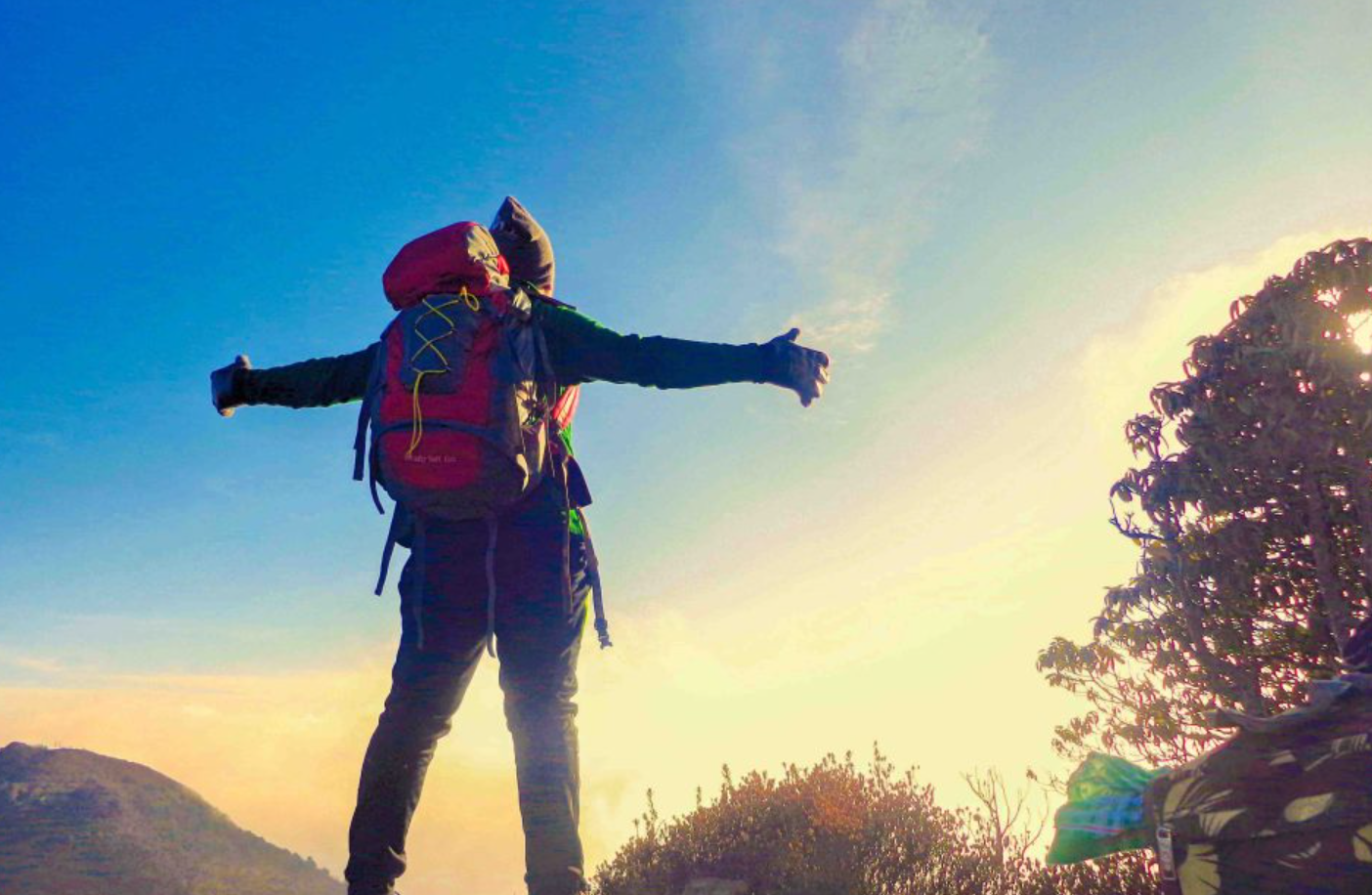
Solo travel is one of the most empowering and life-changing experiences you can ever gift yourself. It teaches independence, increases confidence, and helps you discover the world on your own terms. But for beginners, the idea of traveling alone can feel overwhelming. Questions like “Is it safe?”, “How much will it cost?”, or “What if something goes wrong?” are completely normal.
The good news is that with smart planning, the right strategies, and a positive mindset, solo travel can be safe, affordable, and incredibly rewarding. Whether you’re planning your first weekend getaway or a long international trip, this beginner-friendly guide will help you travel solo confidently and comfortably.
In this detailed blog, we’ll explore essential solo travel tips that cover safety, budgeting, planning, packing, stay options, communication, confidence-building, and more. Get ready for your safe and unforgettable solo adventure!
1. Start Small: Begin with a Short, Nearby Trip
If you’re new to solo travel, the best way to get started is with something small and manageable. You do not have to travel across the world right away. Instead:
- Pick a nearby city.
- Go for a weekend trip.
- Book one night in a hostel or hotel.
- Explore local attractions.
A small trip helps you understand your travel style, comfort zone, and preferences. Once you feel confident, you can explore farther destinations.
2. Choose Beginner-Friendly Destinations
Some destinations are naturally safer, easier to navigate, and more welcoming for first-time solo travelers. Choose places known for friendly locals, easy transportation, and strong tourism infrastructure.
Best beginner-friendly solo travel destinations:
- Thailand
- Japan
- Portugal
- Bali, Indonesia
- Singapore
- Dubai
- Vietnam
- Switzerland
- Canada
If you’re on a budget, Southeast Asia and Eastern Europe offer incredible experiences at very affordable prices.
3. Research Thoroughly Before You Go
Knowledge is your biggest superpower when traveling alone. Research helps you avoid scams, stay safe, and save money.
What to research:
✔ Public transportation
✔ Local culture and rules
✔ Areas to avoid
✔ Visa requirements
✔ Food prices
✔ Best neighborhoods to stay in
✔ Weather conditions
✔ Emergency contact numbers
Create a simple itinerary with must-visit attractions, travel times, and backup options.
4. Pack Smart – Travel Light
Overpacking is one of the biggest mistakes beginners make. Remember, you are the only one carrying your luggage.
Essentials:
- Lightweight backpack or suitcase
- Comfortable shoes
- Basic first aid kit
- Power bank
- Quick-dry towel
- Copies of important documents
- Travel-size toiletries
- Weather-appropriate clothing
Pack versatile clothing you can mix and match. Keep at least one emergency outfit in your carry-on.
5. Book Safe & Budget-Friendly Accommodation
Choosing the right place to stay plays a huge role in your comfort and safety.
Options for solo travelers:
- Hostels (very budget-friendly)
- Guesthouses
- Airbnb private rooms
- Budget hotels
- Co-living spaces
Tips for safe stays:
- Always read reviews before booking
- Choose places with high safety ratings
- Stay close to public transportation
- Prefer well-lit and populated areas
Many solo travelers prefer hostels because they are cheap and provide an opportunity to meet new people.
6. Share Your Itinerary with Someone You Trust
This is an important safety tip.
Leave your travel plan with a friend or family member:
- Flight details
- Hotel addresses
- Contact numbers
- Daily activity plan
You don’t need to share everything publicly—just ensure someone knows your whereabouts in case of emergencies.
7. Learn Basic Local Phrases
Even knowing a few simple phrases can make a big difference in communication and safety.
Examples:
- “Hello”
- “Thank you”
- “Where is the bus/train?”
- “I need help”
- “How much does this cost?”
Locals appreciate effort, and it makes your travel smoother.
8. Stay Aware of Your Surroundings
Safety begins with awareness. Avoid distractions and stay alert in unfamiliar places.
Avoid:
- Walking alone at night in empty areas
- Wearing flashy jewelry
- Showing cash or valuables
- Using your phone while walking
Trust your instincts. If something feels unsafe, leave immediately.
9. Keep Your Valuables Secure
Protect your belongings at all times.
Tips:
- Use anti-theft backpacks
- Keep money in different places
- Use locker facilities in hostels
- Carry digital copies of documents
- Don’t leave bags unattended
A simple money belt or hidden pouch can prevent pickpocketing.
10. Use Local Public Transportation
Public transport is affordable and allows you to experience local life.
Options include:
- Metro
- Bus
- Tram
- Shared taxis
- Local trains
Download local transport apps and maps before you go. This helps you travel smart and save money.
11. Eat Local Food – It’s Cheap & Delicious
One of the best parts of solo travel is enjoying authentic local food.
Why choose local:
- Much cheaper than tourist restaurants
- Fresher and more authentic
- Helps support local economy
Try local street food or small family-run eateries—but make sure they look clean and hygienic.
12. Meet Other Travelers
Solo travel doesn’t mean being alone all the time. You can meet people in:
- Hostels
- Group tours
- Cafés
- Cultural events
- Co-working spaces
- Travel apps
Apps like Couchsurfing, Meetup, and Backpackr help connect with fellow travelers safely.
13. Join Free Walking Tours
Most popular cities offer free walking tours led by locals. These tours:
- Are budget-friendly
- Help you explore major attractions
- Allow you to meet new people
- Give you helpful local tips
You only pay a small tip if you enjoyed the tour.
14. Keep Emergency Numbers Handy
Always save:
- Local police number
- Hospital contacts
- Embassy number
- Hotel or host contact
- Emergency family contact
Keep this list both digitally and on paper.
15. Stay Connected – Buy Local SIM or eSIM
Internet is essential for navigation, safety, and communication.
Benefits of buying a local SIM/eSIM:
- Cheaper data
- Faster internet
- Easier in emergencies
Apps like Airalo offer hassle-free eSIMs.
16. Learn to Say “No” Confidently
Solo travelers are sometimes targeted by scammers or pushy sellers. You must learn to be firm.
Say “No, thank you” and walk away. Avoid unnecessary conversations, especially with strangers asking for money or offering deals that sound too good to be true.
17. Trust Your Instincts
Your intuition is your biggest protector. If a person, place, or situation feels uncomfortable, don’t ignore it.
- Leave the area.
- Change your route.
- Decline an offer.
- Move to a crowded space.
Your safety always comes first.
18. Stick to Your Budget
Solo travel can be expensive if you don’t plan properly.
Tips to save money:
- Set a daily spending limit
- Cook simple meals if your hostel allows
- Book transport in advance
- Use travel passes
- Walk whenever possible
- Avoid overpriced tourist shops
Use apps like TravelSpend to track expenses easily.
19. Capture Memories, But Don’t Forget to Enjoy the Moment
Photos are great, but don’t get lost in taking pictures. Solo travel is your time to reflect, explore, and grow. Enjoy sunrises, engage with locals, and take breaks whenever your mind needs them.
20. Be Flexible & Enjoy Freedom
One of the biggest advantages of solo travel is freedom. You don’t have to follow anyone’s schedule.
- Want to sleep longer? Do it.
- Want to visit one place twice? Go ahead.
- Want to change plans? No problem.
Solo travel teaches you to go with the flow. Embrace spontaneity—it’s part of the adventure.
Conclusion
Solo travel is confidence-building, exciting, and deeply fulfilling. With proper planning, awareness, and the right mindset, anyone can explore the world alone safely and affordably. Start small, research well, stay smart, and enjoy every moment of your journey.
The world is waiting for you—pack your bag and go experience the adventure of a lifetime!
